Typical Lifespan by System Type
These are general ranges for a well-maintained system under normal household use — actual lifespan depends heavily on water quality, usage patterns and how consistently the system has been serviced.
| System Type | Typical Lifespan | Notes |
|---|---|---|
| Electric storage | 8–12 years | Tank corrosion is usually the eventual limiting factor |
| Gas storage | 8–12 years | Similar tank lifespan to electric; pilot/thermocouple faults common with age |
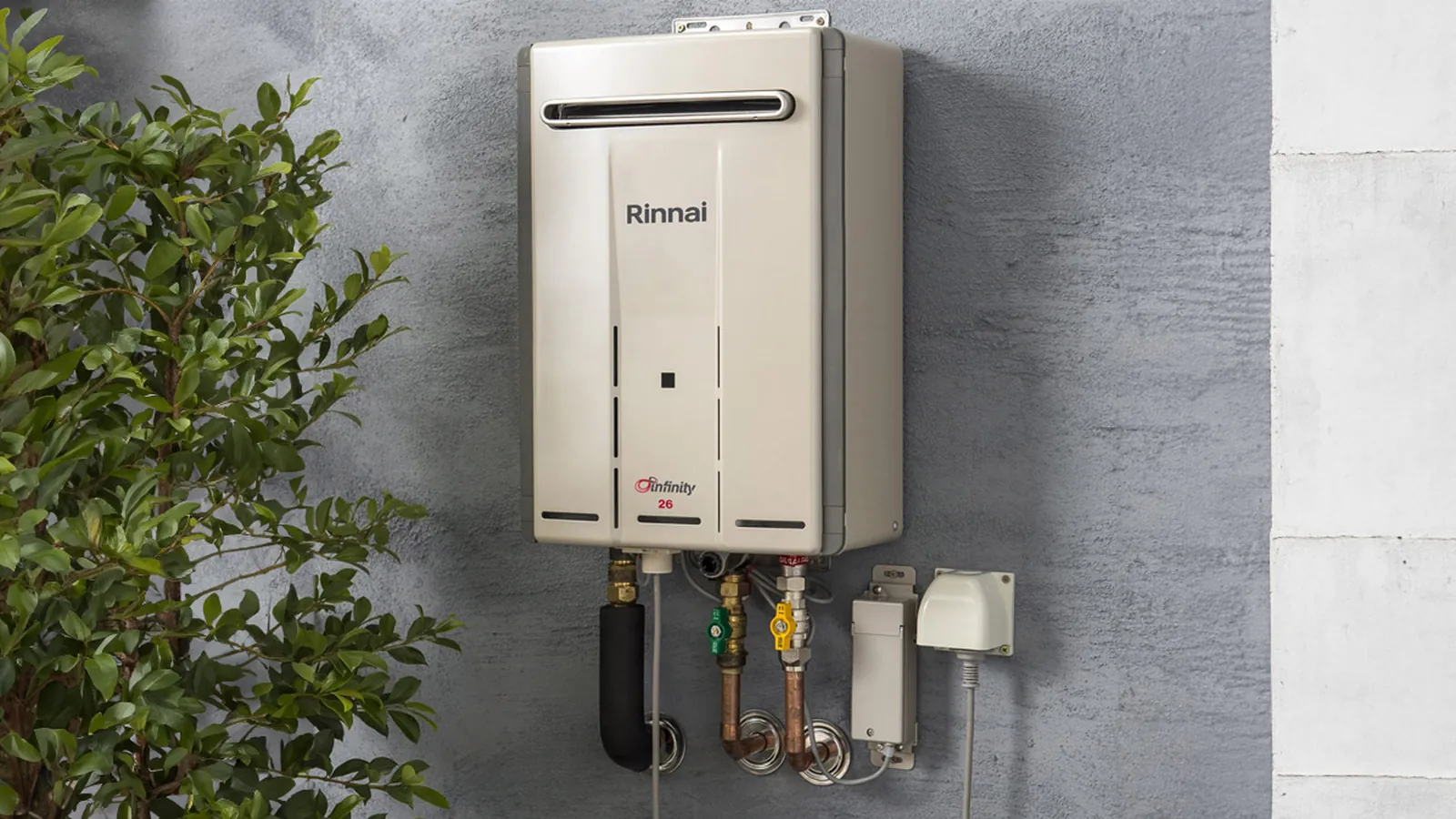
| Continuous flow (gas) | 12–15+ years | No tank to corrode; components can be serviced individually |
| Heat pump | 10–15 years | Compressor and fan components are the usual wear points |
| Solar (collectors) | 15–20+ years | Booster element typically needs replacement well before the collectors do |
What Actually Determines Whether a System Reaches Its Full Lifespan
The biggest factor for storage tank systems — electric or gas — is simply corrosion. Every storage tank has a sacrificial anode designed to corrode in place of the tank itself; once that anode is fully depleted, the tank starts corroding, and a corroding tank is a matter of when, not if, it fails. Regular anode checks are the single biggest lever for extending a storage system's working life.
For continuous flow, heat pump and solar systems, the components tend to wear and can often be individually serviced or replaced without needing to replace the whole unit — which is part of why these system types often outlast a comparable storage tank.
Signs Your System Is Nearing End of Life
- Rust-coloured water from the hot tap, particularly right after the tap's been off for a while — a sign of internal tank corrosion
- Rumbling or popping noises from a storage tank, caused by sediment build-up hardening on the heating element or tank base
- Inconsistent temperature that's developed gradually rather than a sudden fault
- Visible rust or moisture around the base or fittings of a storage tank
- Rising running costs without a change in usage, suggesting declining efficiency
Correct sizing, proper installation and standards-compliant fittings are standard on every job — not an upsell.
How to Get the Most Out of Your System
Scheduled servicing is genuinely the biggest lever available — anode checks, tank flushing where applicable, and catching early element or valve wear before it becomes a full failure. Beyond that, keeping an eye on your energy bills for unexplained increases and addressing any inconsistency in temperature early rather than waiting for a complete breakdown both help a system reach — or exceed — its expected working life.
Want a System Built to Last?
Correct sizing, compliant installation and a written 7-year warranty on every job.
Call 08 8330 4970 Get a Free Quote View Servicing & Maintenance