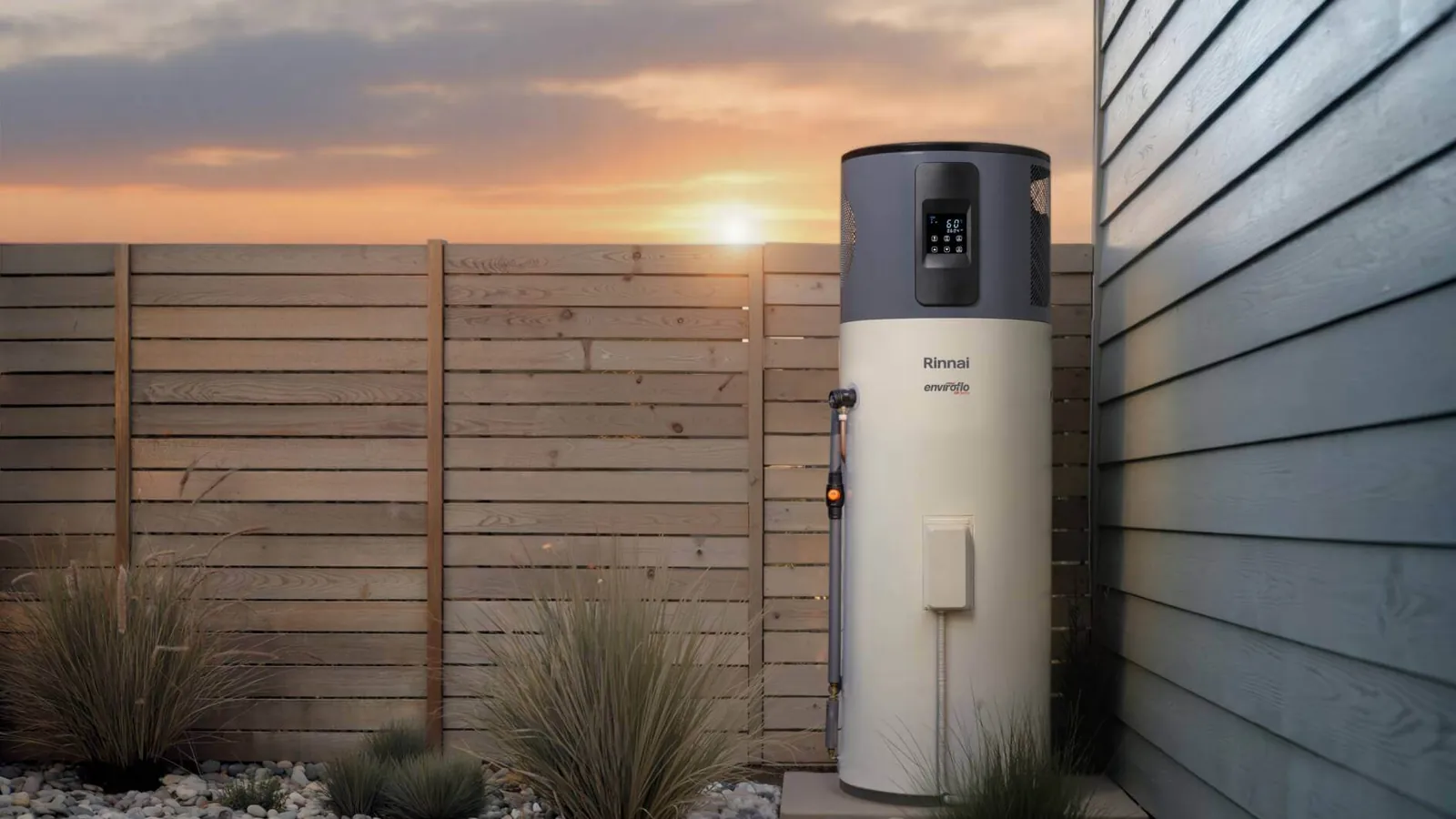
The Main System Types Explained
- Electric storage — simple, reliable, the lowest upfront cost, but generally the highest running cost on standard tariff
- Gas storage — faster recovery than electric, moderate upfront cost, needs a gas connection
- Continuous flow (gas) — heats on demand with no tank, compact and efficient, higher upfront cost
- Heat pump — extracts heat from the air, meaningfully lower running cost than standard electric, higher upfront cost, needs airflow clearance
- Solar — roof collectors plus a gas or electric booster, the lowest ongoing running cost where roof orientation suits it, the highest upfront cost
See our detailed gas vs electric comparison for a closer look at the two most common types.
How Installation Actually Works
- Assessment and quote. We assess household size, usage patterns, existing fuel connection and available space before recommending a system type and size.
- Old system removal. The existing unit is safely disconnected, removed and disposed of.
- New system installation. The new unit is installed, connected and, for gas systems, flued and tested for correct operation.
- Tempering valve and compliance. Tempering valves and required clearances are installed to current AS/NZS3498 and SA standards.
- Testing and handover. The system is tested for correct operation and temperature before we finish up, with the setup explained to you.
What It Costs
Pricing depends heavily on system type, capacity and site-specific installation factors — electric storage sits at the more affordable end, while solar and heat pump systems cost more upfront but generally run cheaper over time. For indicative ranges by system type, see our Adelaide hot water cost guide.
How Long It Lasts
Storage systems — gas or electric — typically last 8 to 12 years, largely limited by tank corrosion once the anode is depleted. Continuous flow, heat pump and solar systems often last longer since individual components can be serviced or replaced without needing to replace the whole unit. Our full breakdown is in how long hot water systems actually last.
Which Brands We Work On
We repair, service and install all major hot water brands sold in Australia — Rheem, Rinnai, Dux, Bosch, Vulcan, Thermann and more. See our brands we service page for details on each.
Tempering Valves — a Legal Requirement, Not an Extra
South Australian regulations, aligned with AS/NZS3498, require tempered hot water delivery at bathroom outlets in most residential installations. This isn't optional or an upsell — see our full explainer in tempering valves explained.
Red Flags to Avoid When Hiring
- A quote significantly cheaper than others with no explanation of what's different about the process
- No mention of tempering valve or compliance work
- No written warranty, or a vague verbal one
- A system recommendation that doesn't account for your actual household size or usage
- No clarity on whether old system removal is included
Correct sizing, the right fuel type for your property, and compliant tempering valve installation matter more than the specific brand. Get those right and most other decisions are secondary.
Ready to Get a Straight Quote?
We assess every property on-site and explain exactly what it needs — no generic quotes, no shortcuts.
Call 08 8330 4970 Request a Free Quote