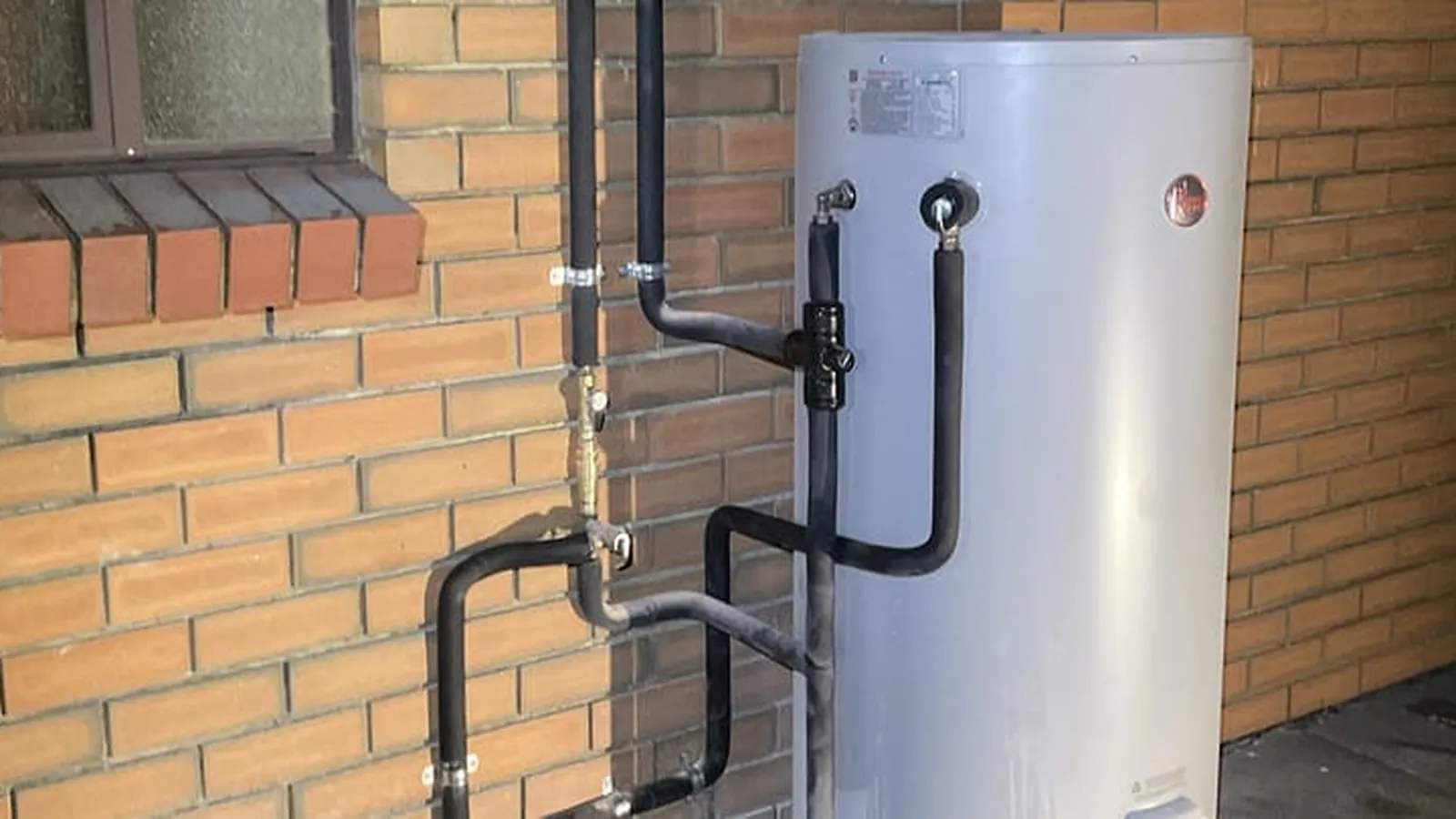
Why Hot Water Is Stored Hotter Than It's Delivered
Water inside a hot water storage tank is generally kept at a higher temperature — commonly around 60°C or more — than is safe to deliver directly from a tap or shower. That higher storage temperature serves two purposes: it reduces the risk of bacterial growth (including Legionella) inside the tank, and it effectively extends usable hot water volume, since hotter stored water can be mixed with more cold water to produce the same amount of usable warm water.
The problem is that water at 60°C can cause a serious scald in seconds, which is far too hot to deliver directly to a shower or bathroom tap — particularly for young children, older adults, and anyone with reduced mobility or sensitivity who can't react quickly to water that's too hot.
What a Tempering Valve Actually Does
A tempering valve is installed in the pipework between the hot water system and the outlets it serves, and blends hot water from the tank with cold water before it reaches the tap or shower — delivering water at a safe, regulated maximum temperature rather than the tank's full storage temperature. It's a mechanical, self-regulating device, not something that needs to be manually adjusted for daily use.
Why It's a Legal Requirement, Not a Recommendation
South Australian plumbing regulations, aligned with the Australian Standard AS/NZS3498, require tempered hot water delivery at bathroom outlets — showers, baths and basins — in most residential situations. This applies to new hot water system installations, bathroom renovations, and in various circumstances around rental properties and property sales. It's not an optional safety upgrade a technician might suggest; it's a compliance requirement built into how a hot water system is legally allowed to be installed and connected.
Tempering is generally required at bathroom outlets used for personal washing — showers, baths, basins. Other outlets, like kitchen taps or laundry troughs, are often permitted to deliver higher-temperature water where required for those purposes, so a tempering valve doesn't necessarily reduce hot water temperature throughout the entire property.
What Happens If a Tempering Valve Fails or Is Missing
A failed or missing tempering valve means bathroom outlets can deliver water at full tank storage temperature — a genuine scald risk, and a compliance gap that can matter at property sale, for rental compliance, or simply for the safety of the people living in the home. Valves can fail or drift out of calibration over time like any mechanical component, which is why we check them as part of standard servicing rather than assuming a valve installed years ago is still performing correctly.
Do Older Properties Need to Be Retrofitted?
It depends on the specific circumstances — a property that's never had bathroom work done and still has its original hot water setup may not currently have compliant tempering in place, and requirements can be triggered by a new hot water system installation, a bathroom renovation, or other property changes. We can assess your specific property honestly and advise what, if anything, needs addressing.
Not Sure If Your Property Is Compliant?
We can assess your current setup and install or repair tempering valves to current AS/NZS3498 and SA requirements.
Call 08 8330 4970 Get a Free Quote View Tempering Valve & Compliance